
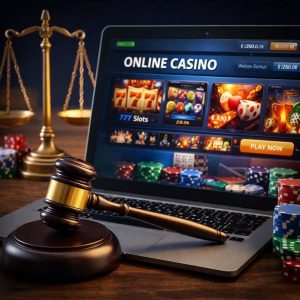
 Since 2019, Sweden has regulated online gambling through the Swedish Gambling Act. Its aim is to bring gambling into a licensed system that protects players and holds operators accountable. Still, many Swedish players use casinos without a Swedish license, often referred to as non-Swedish licensed casinos (casino fast spelpaus). These sites, typically licensed abroad, are not subject to Swedish regulation. Is it legal for Swedish players to use them? The answer is not as straightforward as many assume.
The Swedish Gambling Licensing System
The current regulatory framework was introduced through the Swedish Gambling Act, which took effect on January 1, 2019. This law opened the Swedish gambling market to private companies, but required them to obtain a national license.
Under this system, operators must follow strict rules to offer gambling to Swedish consumers. These rules include:
- Strong identity verification
- Deposit limits and responsible gambling tools
- Compliance with Swedish marketing rules
- Participation in the national self-exclusion system
- Payment monitoring and anti-money-laundering measures
Licensed operators are supervised by Spelinspektionen and must report regularly to keep their license.
For players, the system offers several safeguards. One of the most important is Spelpaus, a nationwide self-exclusion register. Anyone who signs up is blocked from all Swedish-licensed gambling sites.
These protections only apply to licensed operators.
A common misconception is that Swedish players break the law by gambling at offshore casinos. In practice, Swedish law focuses on operators rather than players.
The Swedish Gambling Act makes it illegal for companies to target Swedish customers without a Swedish license. This includes marketing in Swedish, accepting payments in Swedish kronor, or running advertising campaigns directed at Swedish audiences.
The law does not criminalize individual players who use those sites. Swedish residents can technically access and play at non-licensed casinos, as the legal responsibility lies with operators that target Sweden without a license. The government discourages this activity. The licensing system is intended to direct players to regulated platforms.
Why Some Players Still Use Offshore Casinos
Despite the regulated system, some players prefer casinos outside the Swedish licensing framework. The reasons usually come down to restrictions imposed by Swedish rules. Licensed casinos must follow strict limits. For example:
- Bonuses are limited to one welcome offer per player.
- Ongoing promotions are largely restricted.
- Some payment methods are prohibited.
- Advertising rules are tightly controlled.
Offshore casinos may offer more bonuses, a wider selection of games, and fewer restrictions. Some players are attracted by these differences compared to Swedish rules. However, these features involve trade-offs.
Loss of Consumer Protection
The biggest difference is consumer protection. Players using a Swedish-licensed casino are covered by consumer law and regulatory oversight. Complaints can be filed with Spelinspektionen if issues arise. With offshore casinos, that protection is much weaker.
According to the Swedish National Audit Office, oversight of the gambling market is not effective enough to fully meet the Swedish Government’s expectations, which may mean that disputes handled by foreign licensing authorities are subject to slower and less transparent processes. In some cases, enforcement options are limited.
Another major issue is the lack of responsible gambling tools. Self-exclusion through Spelpaus applies only to licensed operators. A player who has self-excluded in Sweden may still access non-licensed casinos. Swedish regulators view offshore gambling as a challenge to these protections.
Tax Rules for Swedish Players
Taxation is another area where the law matters. In general, gambling winnings in Sweden are tax-free if they come from operator licenses issued in the European Union (EU) or the European Economic Area (EEA).
For example, casinos licensed in Malta fall within the EU framework. Winnings from those sites are typically not taxed for Swedish residents. However,if a casino is licensed outside the EU or EEA, such as in Curaçao, winnings may be considered taxable income under Swedish law.
In that case, the player is responsible for declaring the winnings and paying tax. This distinction is often overlooked by players who focus on the casino’s license rather than its location. Enforcement against offshore operators is another area of ongoing government activity.
Spelinspektionen can issue warnings and fines to companies that target Swedish consumers without authorization. Authorities can also work with payment providers to block transactions connected to illegal operators. Advertising restrictions are another tool. Companies that promote unlicensed casinos in Sweden may face penalties.
Despite these efforts, enforcement remains difficult. Online gambling platforms operate across borders, and new sites appear regularly. For that reason, regulators continue to focus on making the licensed market attractive enough to keep players within it.
What the Law Allows in Practice
In simple terms, Swedish law draws a line between operators and players. Operators must obtain a Swedish license if they want to actively offer gambling to people in Sweden. If they fail to do so, they risk penalties and enforcement actions.
Players, on the other hand, are not prosecuted for accessing offshore casinos. They can legally play on those sites, but they do so without the protections provided by the Swedish system. This creates a legal gray area. The activity is not prohibited for individuals, but the government prefers that players use the regulated market.
Final Thoughts
Sweden’s gambling laws are built around regulation rather than prohibition. The system allows private operators to run casinos, provided they comply with strict licensing requirements. For Swedish players, using a non-licensed casino is not a criminal offense. Still, it carries consequences. Consumer protection is weaker, responsible gambling tools may not apply, and tax obligations can change depending on where the operator is licensed. Ring offshore casinos should understand these differences before signing up. The legal line may be clear, but the practical risks are just as important.