
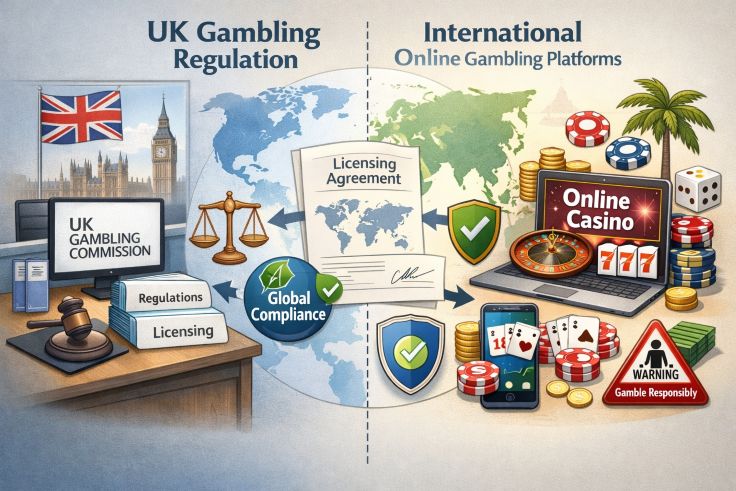
The UK Gambling Commission regulates gambling activities across Great Britain through licensing rules, consumer protection requirements, and responsible gambling standards. According to the UK Gambling Commission, licensed operators are expected to follow rules designed to reduce harm and improve transparency for players. Despite this framework, questions continue to emerge around offshore gambling access because the internet allows people to interact with services operating under different legal systems.
Interest in international gambling platforms has grown over time, partly because users often compare features, payment systems, and licensing structures available outside domestic markets. Some readers searching for information about best non UK casinos for UK players may encounter review websites and community discussions while trying to understand available options. However, online conversations can create confusion because platform availability does not automatically mean that legal protections are identical across jurisdictions.
Understanding UK Gambling Regulations
The United Kingdom has one of the more structured gambling systems in Europe. Operators that want to legally provide services within the UK market typically need authorization and oversight under established regulations. According to the UK Gambling Commission, licensing conditions cover matters such as identity checks, anti-money laundering controls, advertising standards, and responsible gambling practices.
These measures exist to reduce risks associated with gambling activity and to create a more transparent environment for consumers. Despite the importance of these protections, internet access has complicated the picture. Players can access websites based in other countries, and this creates a situation where technical availability and legal understanding do not always align.
Many people assume that if a website appears online and accepts registrations, its legal status is straightforward. In reality, international access often sits within a more complicated area shaped by multiple laws and regulatory approaches.
Why Some Users Explore Offshore Platforms
People look at offshore platforms for many reasons, and motivations differ from one individual to another. Some users seek payment methods that are less common in domestic markets. Others may be curious about different interface designs, alternative game catalogs, or features discussed in online communities.
At the same time, online discussions can sometimes create the impression that overseas platforms provide similar legal environments to locally regulated services. That assumption may not always reflect reality. Consumer rights and operator obligations can vary significantly depending on the jurisdiction involved.
These differences become more important when users encounter disputes, account restrictions, or verification requirements. A process that looks familiar at registration can operate very differently after an issue arises.
Licensing Differences Across Jurisdictions
Licensing standards vary around the world. Some regulators maintain strict rules and strong oversight systems, while others focus on different priorities. According to the European Gaming and Betting Association, gambling regulation across international markets remains fragmented because each country develops its own legal framework and enforcement approach.
As a result, two platforms may appear similar on the surface while operating under entirely different requirements behind the scenes.
- Identity verification rules may differ.
- Dispute handling procedures can vary.
- Responsible gambling tools may not be identical.
- Advertising restrictions may be less comprehensive.
- Consumer complaint pathways may follow different processes.
Understanding these differences matters because licensing is more than a document displayed at the bottom of a website. It influences how an operator responds to users and which protections exist if disagreements occur.
Advertising, Responsible Gambling, and Dispute Limitations
Advertising rules represent another area where differences become visible. UK-regulated operators generally follow requirements related to messaging and audience protection. According to the Advertising Standards Authority, gambling promotions should avoid misleading content and should not target vulnerable groups.
International platforms may follow different standards depending on where they operate. This does not automatically indicate poor practices, but it does mean consumers should understand that expectations may vary.
Dispute resolution creates another practical concern. Domestic systems often provide clear channels for complaints and review processes. Offshore operators may rely on different procedures, which can make cross-border issues more difficult to address.
Common Misconceptions About Offshore Access
Several misconceptions continue to circulate online. One common misunderstanding is the belief that offshore access automatically bypasses legal responsibilities. Another is the idea that international availability means every platform follows identical rules.
Legal systems rarely function in simple terms. Accessibility, licensing location, advertising policies, and local regulations can overlap in ways that create uncertainty. Discussions around overseas gambling sites often simplify these relationships, even though the underlying legal environment is much more layered.
People may also assume that online reviews alone can confirm reliability. Reviews can provide useful perspectives, but they should not replace independent verification of licensing and consumer protection measures.
READ ALSO: Laws and Regulations for Online Gambling Sites
What Consumers Should Verify Before Registering
A more informed approach begins with checking basic information before opening an account on any international platform.
- Review licensing details and regulator information.
- Read responsible gambling policies.
- Check identity verification requirements.
- Understand withdrawal procedures and account rules.
- Review complaint handling systems.
- Examine privacy and data protection information.
Awareness remains important because gambling environments can differ widely across regions. Information sources discussing overseas gambling operators should be viewed carefully and compared with official regulatory guidance where possible.
Risk awareness should also remain part of the conversation. Gambling involves financial risk and may affect mental wellbeing for some individuals. According to GambleAware, individuals should monitor gambling behavior and seek support if gambling begins to negatively affect finances, relationships, or daily life.
As conversations about international gambling continue to grow, understanding regulatory differences becomes increasingly important. Discussions around offshore gaming platforms and international casino alternatives should focus on informed decision-making rather than assumptions. Better awareness of licensing, consumer protections, and legal boundaries helps reduce confusion and supports safer choices in a complex digital environment.
Warning: Gambling carries financial risks and may lead to harm for some individuals. Participation should always be approached carefully and responsibly. Support services are available for people experiencing gambling-related difficulties.