
Poland’s gambling market operates under one of Europe’s more structured regulatory systems, with online casino activity governed by detailed legislation designed to balance consumer protection, state oversight, and market control. The country’s legal framework has evolved significantly over the past decade as policymakers have responded to technological changes, cross-border gambling services, and growing participation in digital entertainment.
Discussions about Poland’s online gambling environment frequently reference major international operators and platforms such as 22Bet when examining how regulatory requirements affect market participation. Licensing rules, taxation policies, advertising limitations, and consumer protection measures all influence the way operators structure their services within the country. These regulatory factors help explain why the Polish online gambling market has developed differently from some other European jurisdictions.
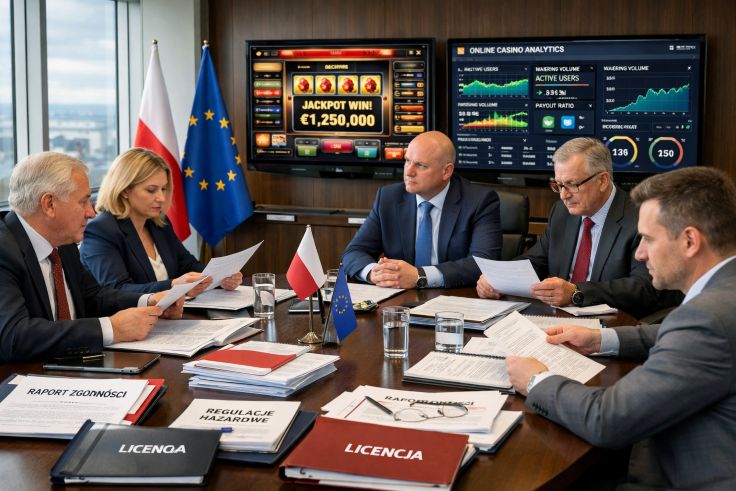
The Foundation of Poland’s Gambling Laws
The primary legislation governing gambling activities in Poland is the Gambling Act, originally introduced in 2009 and later amended to address the growth of online gambling. The law establishes the legal conditions under which gambling operators may offer services and outlines the responsibilities of both operators and regulatory authorities.
The Ministry of Finance serves as the primary regulatory authority overseeing gambling activities. It supervises licensing procedures, compliance requirements, taxation obligations, and enforcement measures. Regulatory oversight extends to both land-based gambling establishments and digital platforms that provide gambling services through the internet.
According to the Polish Ministry of Finance, regulatory controls are intended to protect consumers, prevent illegal gambling operations, and ensure that gambling-related revenue remains subject to appropriate taxation and oversight.
Licensing Requirements for Online Operators
Licensing remains one of the most important elements of Poland’s gambling framework. Operators wishing to provide legally authorized gambling services must obtain approval from regulatory authorities and satisfy numerous operational requirements.
Licensing procedures typically involve financial assessments, technical evaluations, ownership verification, and compliance reviews. Operators must demonstrate that their systems meet security standards and that player transactions can be monitored appropriately.
These requirements create barriers to entry that can limit the number of participants in the regulated market. Supporters argue that strict licensing helps maintain integrity and accountability. Critics, however, suggest that extensive requirements may reduce competition and encourage some players to seek services outside the regulated environment.
Licensed gambling platforms are expected to maintain secure payment systems, verify customer identities, and comply with anti-money laundering regulations consistent with broader European financial standards.
The Role of Taxation in Market Development
Tax policy plays a significant role in shaping Poland’s online gambling industry. Gambling operators are subject to specific tax obligations that vary depending on the type of gambling activity offered.
The taxation structure influences business decisions, investment strategies, and market participation. Industry analysts frequently note that tax rates affect operational costs and can impact the competitiveness of licensed operators when compared with international alternatives.
Research published by the Organisation for Economic Co-operation and Development (OECD) has consistently shown that regulatory taxation frameworks influence how digital markets develop and how businesses allocate resources. Gambling markets are no exception, as tax obligations often shape pricing models, technology investments, and long-term expansion plans.
At the same time, gambling taxes contribute public revenue that governments may allocate toward administrative oversight, public services, and social programs.
Advertising Restrictions and Consumer Exposure
Advertising rules represent another major component of Poland’s gambling regulations. Promotional activities involving gambling products are subject to legal restrictions designed to limit excessive exposure and reduce risks associated with gambling participation.
Marketing communications must comply with rules regarding content, audience targeting, and presentation. Advertisements cannot be directed toward minors and must avoid misleading claims regarding gambling outcomes or financial benefits.
These restrictions reflect broader international trends. Guidance from organizations such as the World Health Organization and various European regulatory bodies has encouraged governments to evaluate how gambling advertising affects public behavior and consumer awareness.
Supporters of advertising restrictions argue that they reduce the normalization of gambling activities. Others contend that strict limitations can make it harder for licensed operators to distinguish themselves from unauthorized providers.
Player Protection Measures
Consumer protection remains a central objective of gambling regulation in Poland. Regulatory requirements include measures intended to promote transparency and support responsible participation.
Operators are generally required to verify player identities, maintain accurate records, and provide information regarding gambling risks. Account monitoring systems help identify suspicious activity, while financial controls assist in preventing fraud and unauthorized transactions.
Player protection measures also align with anti-money laundering standards established by the Financial Action Task Force (FATF), which encourages jurisdictions worldwide to strengthen oversight of financial transactions within regulated industries.
The broader online gaming sector has increasingly adopted technological tools that support compliance, risk management, and customer verification. These systems help regulators and operators maintain oversight while providing a more secure environment for users.
Enforcement and Blocking Measures
Poland has implemented enforcement mechanisms aimed at limiting access to unauthorized gambling services. Regulatory authorities maintain registers of websites that operate outside the legal framework and may require internet service providers to restrict access to certain domains.
Payment-related controls may also be used to reduce financial transactions involving unauthorized gambling operators. These measures are designed to encourage participation within the regulated market and improve regulatory oversight.
The effectiveness of blocking policies remains a subject of debate. Some experts view them as necessary enforcement tools, while others question their long-term effectiveness in a highly interconnected digital environment.
Ongoing Discussions About Regulatory Modernization
As technology continues to evolve, discussions regarding modernization of Poland’s gambling regulations remain active. Policymakers, industry participants, and consumer advocates frequently debate whether existing rules adequately address emerging technologies, mobile gambling applications, and changing consumer behavior.
Digital transformation has altered how entertainment services are delivered across numerous industries. Reports from the European Commission have highlighted the challenges governments face when regulating rapidly evolving online markets while maintaining consumer safeguards. These discussions often extend beyond national borders, as policymakers and industry observers examine how gambling regulations differ across jurisdictions and how different regulatory approaches influence market oversight, consumer protections, and operator compliance requirements.
Future regulatory adjustments may focus on improving enforcement efficiency, enhancing player protections, updating taxation models, and addressing technological innovations that were less prominent when earlier legislation was drafted.
Conclusion
Poland’s gambling regulations continue to play a defining role in shaping the country’s online casino industry. Licensing standards, taxation policies, advertising restrictions, enforcement mechanisms, and consumer protection requirements collectively influence how operators conduct business and how players interact with regulated services.
As debates about modernization continue, policymakers face the challenge of balancing market competitiveness with public-interest objectives. The future of the regulated casino and betting market in Poland will likely depend on how effectively regulators adapt to technological change while preserving transparency, accountability, and consumer safeguards.
Responsible Gambling Warning: Gambling involves financial risk and may not be suitable for everyone. Participation should always remain a form of entertainment within personal financial limits. Individuals experiencing gambling-related difficulties should seek assistance from qualified support organizations and professional counseling services.